The SAVE Act and What Women Need to Know About the New Fight Over Voting Access
A bill moving through Congress could quietly make voting more complicated for millions of women.
The House of Representatives recently passed the SAVE America Act, legislation that would require documentary proof of U.S. citizenship to register to vote and impose new identification requirements for casting ballots. The bill now moves to the Senate. Supporters frame it as election security. Critics see something else: a sweeping set of new barriers that risk disenfranchising eligible voters, especially women.
For many women, the issue is not abstract. It is personal.
Why the SAVE Act Could Hit Women Especially Hard
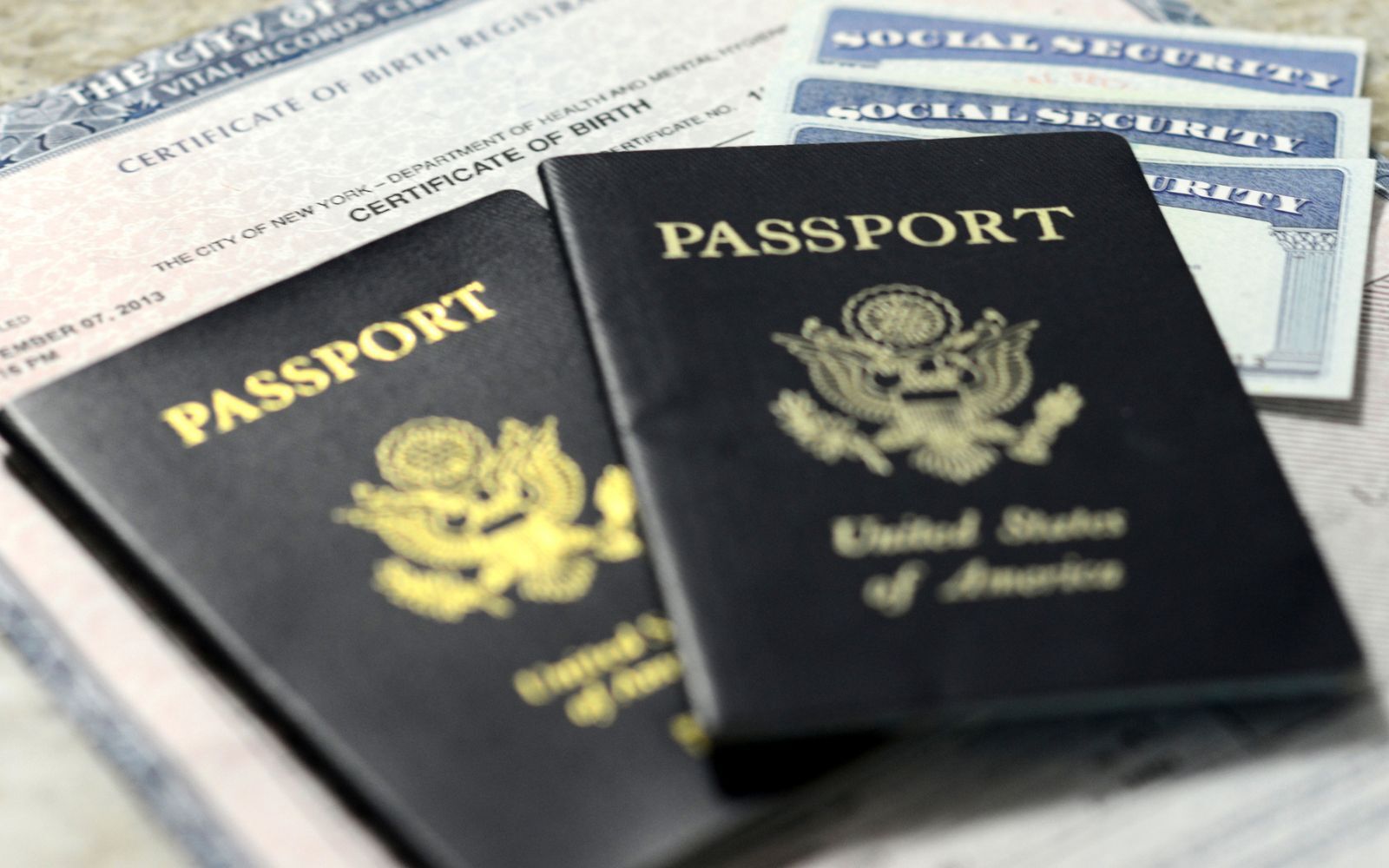
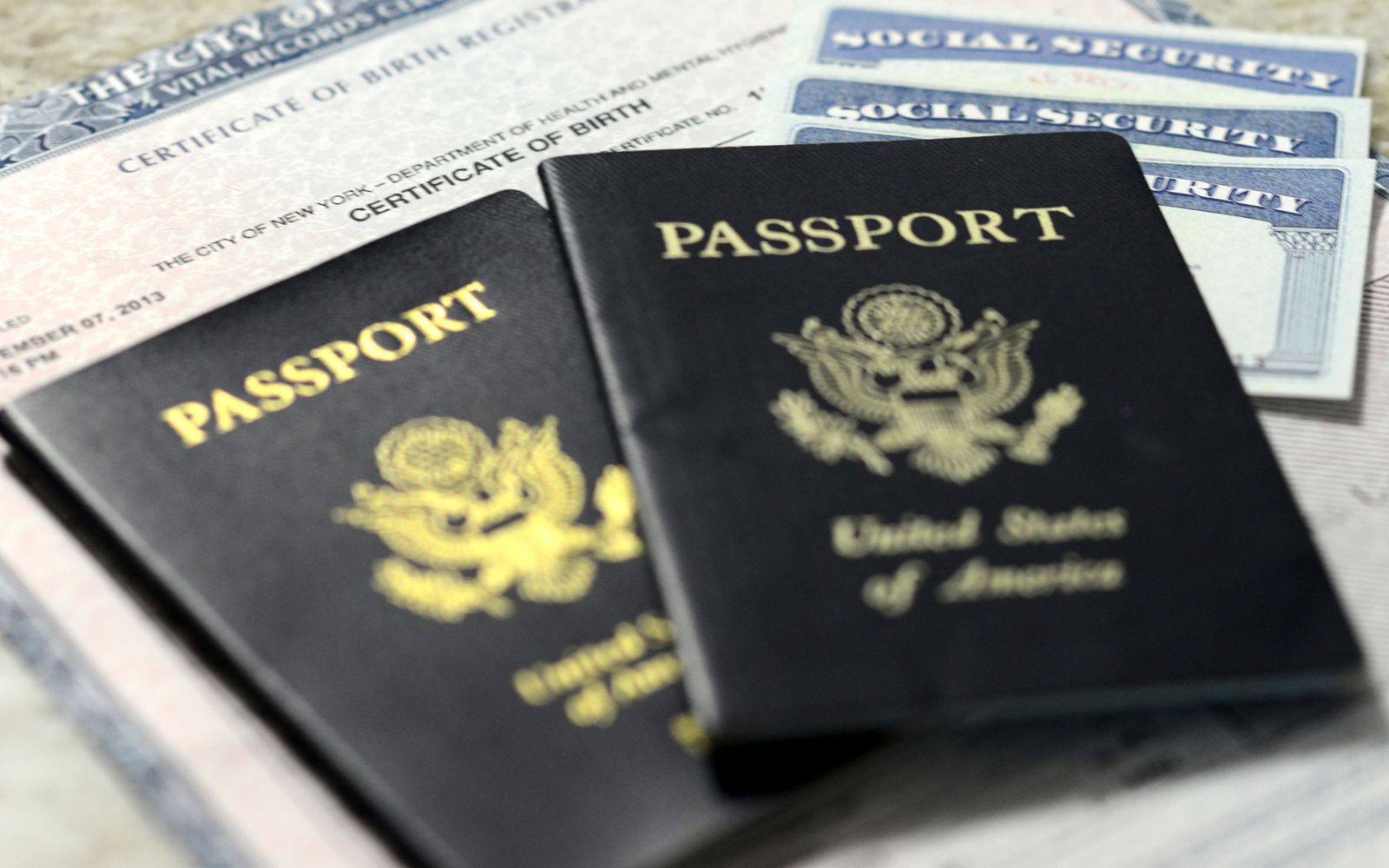
Millions of married women in the United States do not have birth certificates that match their current legal names. Under the SAVE Act, registering to vote could require presenting documentation that perfectly aligns with a voter’s legal identity. For women who changed their surnames after marriage, divorce, or remarriage, that process can become complicated and expensive.
Obtaining updated documents often requires time off work, fees, and navigating government systems that are not always accessible or efficient. These hurdles fall hardest on women balancing caregiving, work, and financial pressures. For women in rural areas, accessing the necessary offices and services can be even more difficult.
The result is not just inconvenience. It is the creation of friction in a fundamental democratic right.
The legislation also introduces broader voter ID requirements and new restrictions around mail voting. While framed as safeguards, there is no credible evidence of widespread noncitizen voting or systemic voter impersonation in federal elections. What these measures do create is a higher threshold for participation, one that disproportionately affects communities already facing structural barriers.
The Bigger Picture: Voting Access and Women’s Health
Conversations about voting rights are inseparable from conversations about health equity. Public policy decisions shape access to health care, environmental protections, maternal health resources, and funding for community programs. When barriers to voting increase, the voices of those most affected by health disparities risk being muted.
“These kinds of policies are not just about elections. They are about whose voices shape the systems that govern our daily lives,” said Ifeoma C. Udoh, Ph.D, EVP of Policy and Research at the Black Women’s Health Imperative. “When women are pushed to the margins of the voting process, their needs are more likely to be pushed to the margins of policy. Ensuring fair access to the ballot helps ensure that health systems work for the communities they are meant to serve.”
Turning Concern Into Conversation
Moments like this are also opportunities. Policy debates around voting can open doors for early and proactive conversations with family and friends about civic participation. Talking openly about registration requirements, deadlines, and documentation can help loved ones prepare well before election season.
Advocacy is not only about reacting to legislation. It is about building a culture of readiness and shared information. Encouraging family members to check their registration status, confirm their documents, and understand their voting options strengthens communities long before a ballot is cast.
What Happens Next
The SAVE Act now heads to the Senate, where its future will be debated. Regardless of the outcome, the conversation highlights a critical truth: voting access remains an evolving and contested space. Staying informed and engaged is essential.
Women have always played a central role in shaping democracy. Ensuring that new policies do not create unnecessary obstacles is part of honoring that legacy. As discussions continue, one thing is clear. Civic participation and community health are deeply connected, and both deserve vigilant protection.
The post The SAVE Act and What Women Need to Know About the New Fight Over Voting Access appeared first on Black Women’s Health Imperative.