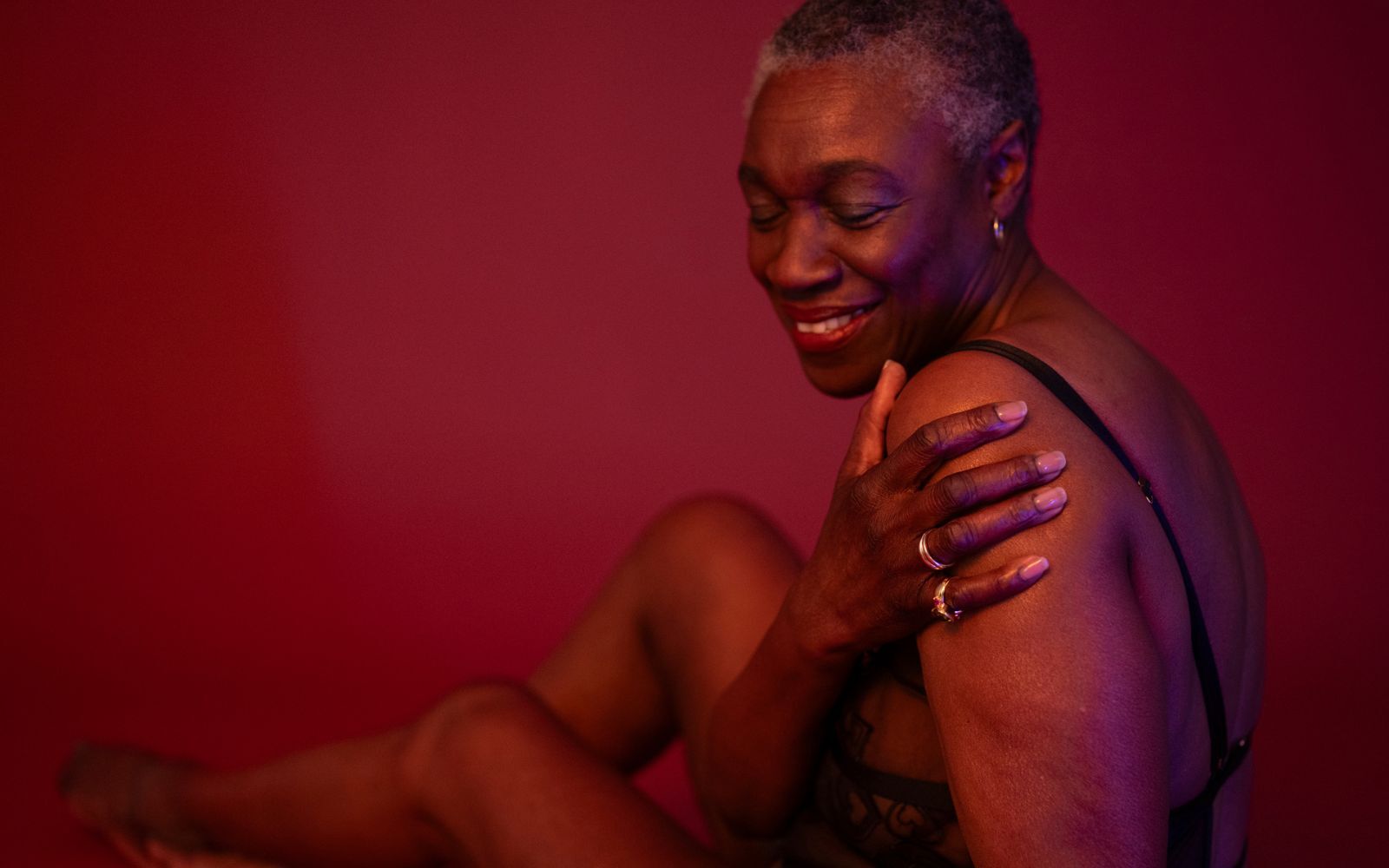
Pleasure, Intimacy, and Health: The Valentine’s Day Conversation We Rarely Have

Valentine’s Day floods our timelines with roses, chocolates, and carefully curated images of romance. But beneath the surface of all that symbolism is a conversation we rarely have openly, especially when it comes to Black women.
Pleasure, intimacy, and sexual wellness are not luxuries. They are part of whole health.
For generations, Black women’s bodies have been discussed through the lens of survival, resilience, and responsibility. We talk about chronic illness, maternal mortality, and disparities in care. These conversations are critical. But too often, they leave out an equally important dimension of health: joy, intimacy, and the right to experience pleasure without shame.
Sexual Wellness Is Health Care
Sexual wellness is deeply connected to physical and mental health. Hormonal shifts, stress, aging, and chronic conditions can all influence libido, comfort, and emotional connection. Yet many Black women report that conversations about intimacy with health care providers are rushed, dismissed, or avoided altogether.
This silence has consequences.
When pleasure and intimacy are treated as optional or taboo, women are left to navigate changes in their bodies without guidance. Pain during sex, shifts in desire, or the impact of menopause on intimacy can feel isolating when they are not acknowledged as normal parts of the human experience.
A health system that truly serves Black women must make room for these conversations. Intimacy is not separate from wellness. It is woven into it.
The Intersection of Hormones, Stress, and Desire
Black women often carry disproportionate levels of chronic stress due to systemic inequities, caregiving roles, and workplace pressures. That stress does not stay in the mind. It lives in the body.
Chronic stress affects hormone regulation, sleep, mood, and energy. It can dampen desire and make intimacy feel like another task instead of a source of connection. Add to that the hormonal transitions of perimenopause and menopause, and many women experience significant shifts in how their bodies respond to touch and closeness.
None of this is a personal failing. It is biology shaped by lived experience.
Understanding these connections allows women to approach intimacy with curiosity instead of judgment. It also underscores why culturally informed care matters. Health providers who listen and normalize these changes can help women access treatments, therapies, and strategies that support both comfort and pleasure.
Reclaiming Pleasure Without Apology
There is power in naming pleasure as a legitimate health priority.
For Black women in particular, reclaiming pleasure is an act of self-definition. It pushes back against narratives that frame our bodies only in terms of labor, endurance, or sacrifice. Intimacy can be a space of restoration, creativity, and affirmation.
That reclamation does not look the same for everyone. For some, it means deepening communication with a partner. For others, it means rediscovering their bodies on their own terms. It can involve therapy, education, or simply giving oneself permission to slow down and listen to what feels good.
Real Conversations That Strengthen Intimacy
Pleasure and intimacy are not only about what happens in private moments. They are shaped by everyday conversations about needs, comfort, and emotional safety. Many couples want deeper connection but struggle to find the language to begin.
Starting small can open the door to meaningful change. Valentine’s Day can be an invitation to talk honestly about what intimacy looks like now, not what it was years ago or what culture tells us it should be.
Here are a few real life topics and gentle thought starters that women may want to explore with their partners:
“I’ve noticed my body and energy have been changing. Can we talk about what intimacy feels like for me right now and how we can adjust together?”
“Sometimes stress follows me into our relationship. What are ways we can help each other feel more relaxed and emotionally connected before intimacy?”
“I want to feel more comfortable talking about what brings me pleasure. Can we create space to share what we both enjoy without judgment?”
“There are moments when I need more emotional closeness to feel open physically. What helps you feel emotionally safe and connected with me?”
“Are there things we haven’t talked about that you wish we could discuss more openly when it comes to our intimacy?”
“How can we support each other as our needs change over time, so intimacy continues to feel mutual and fulfilling?”
These conversations are not about perfection or performance. They are about building trust, listening with care, and recognizing that intimacy evolves. When women feel safe naming their needs and partners feel invited into that honesty, intimacy becomes less about pressure and more about partnership.
Love as a Health Imperative
On Valentine’s Day, love is often packaged as a gift exchanged between partners. But love is also a relationship with one’s own body and well-being.
For Black women, prioritizing intimacy and pleasure is a declaration that our full humanity matters. It is a reminder that health is not only about surviving disparities. It is about claiming the right to feel whole, connected, and alive.
A future where Black women’s health is fully supported must include space for these truths. Pleasure is not separate from equity. It is part of what equity makes possible.
The post Pleasure, Intimacy, and Health: The Valentine’s Day Conversation We Rarely Have appeared first on Black Women’s Health Imperative.