When Fear Keeps People From the Doctor: Why Immigration Enforcement Is a Public Health Issue

Health equity requires more than insurance coverage. It requires safety, trust, and practical access to care.
Right now, many communities are facing a dangerous reality: people are delaying or avoiding medical care because they fear immigration enforcement. Clinicians have described patients arriving sicker, waiting too long for urgent care, and skipping routine services that keep families and communities healthy.
This is why advocates and public health leaders increasingly describe immigration enforcement patterns as a public health issue. When fear becomes a barrier to care, the consequences do not stop with one person. They ripple across families, schools, workplaces, and entire health systems.
What “delayed care” looks like in real life
Delaying care is not always dramatic in the moment. It often starts quietly:
- A parent postpones a child’s vaccines or wellness visit
- A pregnant person misses prenatal follow-ups
- A patient with diabetes stretches medication or avoids labs
- Someone with chest pain waits until it becomes unbearable
Clinicians interviewed by STAT described the harm they’re seeing when people wait too long because they’re scared.
And when more people delay care, emergency rooms see higher-cost, higher-acuity visits. Preventable illness spreads more easily when routine care drops, including vaccination rates and chronic disease management.
Why this is a health equity issue, including for Black communities
BWHI is clear about this: policies that block access to care deepen inequity.
Black communities include Black immigrants and mixed-status families. When enforcement activity and fear disrupt care-seeking, it compounds existing disparities tied to maternal health, chronic disease, and access to preventive services.
This tracks directly back to our policy pillar on Access to Quality, Affordable Health Care: care must be available, culturally responsive, and safe to use in practice, not just on paper.
What communities are doing to protect care access
The good news is that communities are not waiting for harm to pile up. Providers, public systems, and local partners are building workarounds and protections that keep care moving.
Mobile health teams and pop-up care
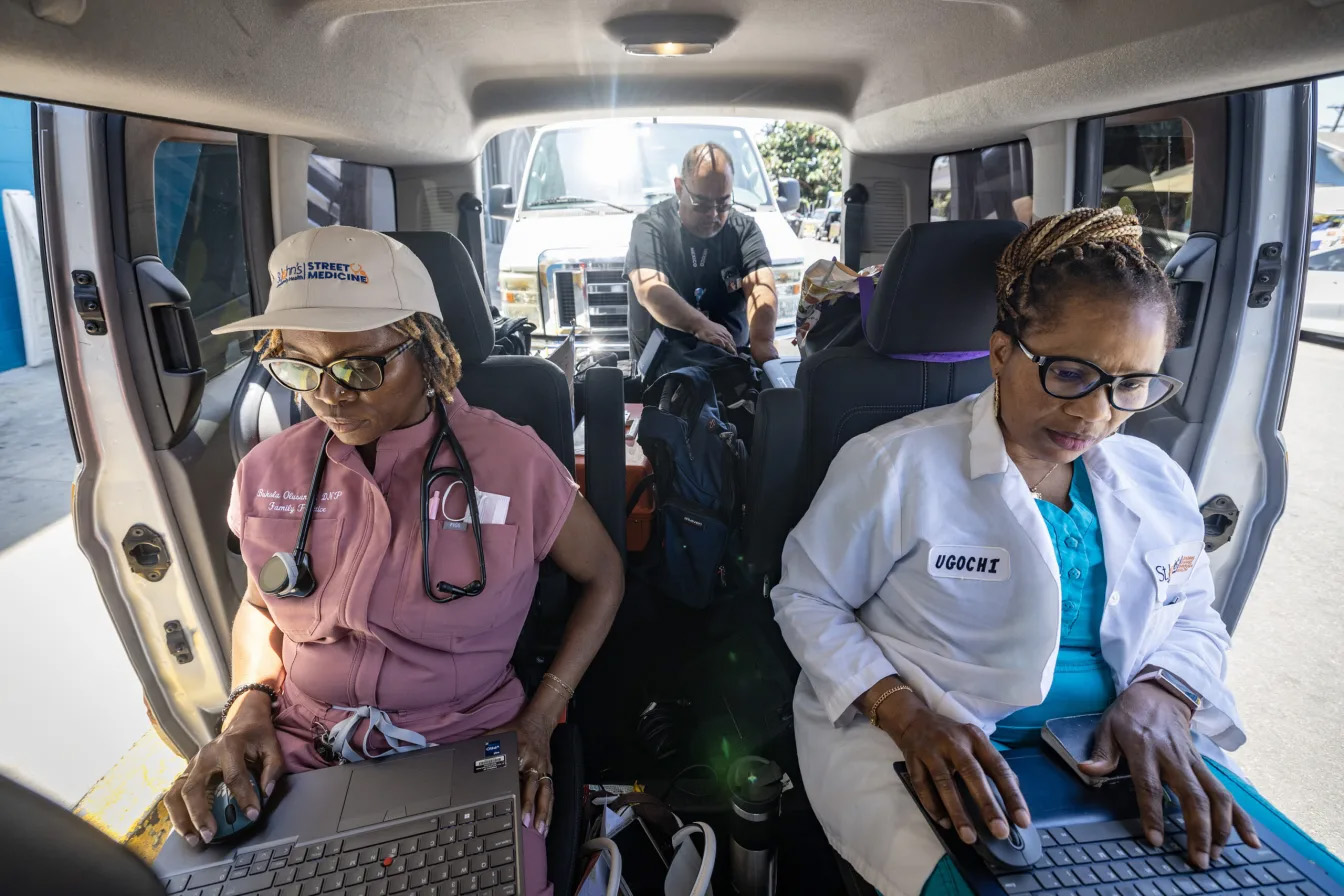
In Los Angeles and many cities around the country, clinics have responded to raid fears by sending mobile health teams into communities, meeting patients where they are.
Home visits for patients too afraid to travel
Some clinics serving immigrant communities have launched home visitation after realizing patients with chronic conditions were missing appointments because they feared leaving home.
Telehealth and “care from home”
Health systems are expanding virtual care and messaging options so people can still access clinicians without taking risks they do not feel safe taking.
Provider preparedness and patient rights resources
Organizations are also equipping clinics with protocols and training, including how staff should respond if enforcement shows up and how to protect patient privacy.
What policy change looks like
A public health approach requires more than workaround programs. It requires guardrails.
That includes restoring and strengthening limits on enforcement actions at health care facilities and other sensitive locations. One example is the Protecting Sensitive Locations Act (H.R.1061 / S.455) that would limit immigration enforcement actions at or near places like hospitals, schools, places of worship, and courthouses. Introduced by Rep. Adriano Espaillat (D-NY) in the House and Sen. Richard Blumenthal (D-CT) in the Senate, the bill seeks to restore guardrails that previously discouraged enforcement activity in spaces where people access essential services. It currently sits in committee in both chambers. Advocates argue codifying these protections into law is critical to ensuring families can seek medical care, education, and other basic services without fear.
What you can do now
If you are a patient, provider, advocate, or community leader, there are real actions you can take today:
- Share trusted “know your rights” and clinic preparedness resources with local providers and community partners
- Encourage local clinics to expand mobile care days and telehealth options for high-risk patients
- Ask local health systems what protocols they have to protect patient privacy and continuity of care
- Track and support policies that keep health care settings safe and accessible
Bottom line
When fear keeps people from doctors, nurses, prenatal care, vaccines, and chronic disease management, the outcome is predictable: worse health and wider disparities.
Health care should not come with a side of fear. If we want healthier communities, we must protect the conditions that make care possible: trust, safety, and access.
The post When Fear Keeps People From the Doctor: Why Immigration Enforcement Is a Public Health Issue appeared first on Black Women’s Health Imperative.